
UTI Treatment for Men in Michigan: Signs and Treatment Options
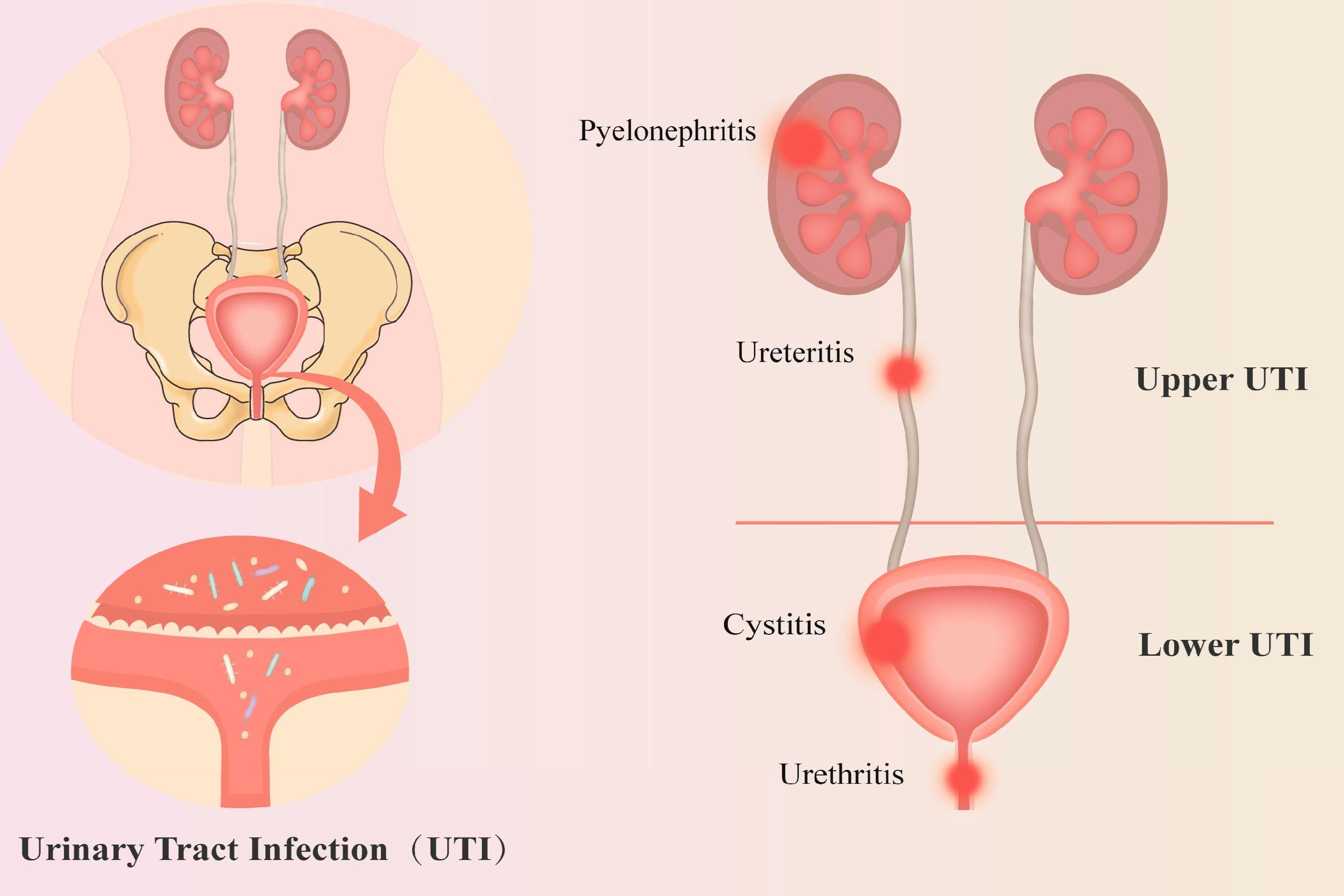
Urinary tract infections are commonly associated with women, but men can also develop painful and uncomfortable urinary symptoms. Burning during urination, frequent bathroom visits, and difficulty emptying the bladder can interfere with work, sleep, and everyday activities. Men searching for urinary tract infection treatment for men in Michigan may not realize that symptoms can sometimes involve the prostate or other urinary conditions. Understanding uti treatment michigan options helps patients recognize warning signs, receive an accurate diagnosis, and seek appropriate medical care before symptoms become more serious.
Recognizing Male UTI Symptoms in Sterling Heights, Michigan
Men living in Sterling Heights, Michigan, may experience urinary infections at different ages, although certain conditions become more common as men grow older.
A urinary tract infection develops when bacteria enter the urinary system and multiply. In men, infections may affect the bladder, urethra, kidneys, or sometimes be associated with prostate involvement.
Unlike uncomplicated bladder infections in otherwise healthy women, urinary symptoms in men often require additional consideration of possible underlying causes.
Common signs of a UTI in men include:
-
Burning or painful urination
-
Frequent urges to urinate
-
Difficulty starting urination
-
Passing small amounts of urine
-
Lower abdominal or pelvic discomfort
-
Cloudy or blood-tinged urine
-
Feeling that the bladder has not emptied completely
A relatable example
Consider a hypothetical 52-year-old man who begins waking several times during the night to urinate. Initially, he assumes the problem is related to drinking water before bedtime.
A few days later, he notices burning during urination and persistent pressure in his lower abdomen.
Instead of ignoring these symptoms, he schedules a medical evaluation. His healthcare provider reviews his urinary history and determines whether an infection, prostate enlargement, or another condition may be responsible.
This example demonstrates why men should not automatically assume that urinary changes are a normal part of ageing.
Persistent or worsening symptoms deserve professional assessment.
Why UTI Diagnosis and Treatment Can Be Different for Men
Effective treatment begins with identifying the cause of urinary symptoms.
Although bacteria can cause bladder infections in men, similar symptoms may develop because of prostate inflammation, sexually transmitted infections, urinary stones, or problems emptying the bladder.
A healthcare provider may recommend several diagnostic steps.
1. Reviewing Symptoms and Medical History
The provider may ask about the duration of symptoms, previous infections, medications, sexual health concerns, and existing medical conditions.
Difficulty urinating, recurring infections, or a history of prostate problems may influence the evaluation.
2. Performing Urine Tests
Depending on the patient's symptoms, testing may include:
-
Urinalysis: Checks urine for findings associated with inflammation or infection.
-
Urine culture: Identifies bacteria and helps guide antibiotic selection.
-
Additional testing: May be recommended when symptoms suggest prostate involvement, urinary obstruction, or another underlying condition.
Urine cultures are often useful in men with suspected bacterial UTIs because they can help guide appropriate treatment.
3. Choosing the Right Medication
Patients looking for uti treatment michigan should understand that antibiotic treatment depends on the location and severity of the infection.
When a bacterial infection is diagnosed, a healthcare provider selects antibiotics based on medical history, medication allergies, kidney function, and available test results.
Some infections in men require different medications or treatment durations, particularly when prostate involvement is suspected.
4. Evaluating Prostate-Related Conditions
An enlarged prostate can interfere with normal bladder emptying, potentially increasing the likelihood of urinary problems.
Prostatitis, or prostate inflammation, can also cause painful urination, pelvic discomfort, and other symptoms that resemble a bladder infection.
Proper evaluation helps distinguish these conditions and guide treatment.
Practical Steps Men Can Take When UTI Symptoms Develop
Urinary discomfort can be embarrassing for some men, leading them to delay medical attention. However, early assessment can help identify the cause and determine whether treatment is needed.
Several practical steps can help patients manage symptoms safely.
1. Do not ignore changes in urination
Frequent bathroom visits, burning, difficulty starting urination, or persistent pelvic discomfort should be discussed with a healthcare provider.
2. Maintain appropriate hydration
Drinking adequate water supports normal urinary function. Patients with kidney disease, heart failure, or fluid restrictions should follow their healthcare provider's recommendations.
3. Avoid self-medicating with antibiotics
Leftover antibiotics may not treat the bacteria responsible for a new infection.
Taking medication without medical guidance can contribute to antibiotic resistance and delay proper treatment.
4. Discuss temporary symptom relief
Men searching for Immediate relief for UTI burning may benefit from discussing appropriate short-term pain relief with a healthcare professional.
However, symptom-relief medications do not eliminate an underlying bacterial infection.
5. Recognize symptoms that require urgent attention
Seek prompt medical evaluation if urinary symptoms occur alongside:
-
Fever or shaking chills
-
Pain in the back or side
-
Nausea or vomiting
-
Significant pelvic or perineal pain
-
Increasing difficulty urinating
Complete inability to urinate requires emergency assessment. Severe illness, confusion, or signs of sepsis also require emergency medical attention.
6. Monitor recovery after treatment begins
If antibiotics are prescribed, take them exactly as directed.
Contact your healthcare provider if symptoms worsen, persist, or return after treatment.
How Personalized Medical Care Helps Prevent Recurring UTIs in Men
While some men experience a single urinary infection, others develop repeated symptoms that require further investigation.
Recurrent infections may be associated with incomplete bladder emptying, urinary stones, prostate enlargement, or other underlying medical conditions.
Patients researching Chronic UTI treatment should understand that ongoing urinary symptoms do not always indicate an active bacterial infection.
A healthcare provider may recommend additional testing to determine whether bacteria are present or whether another condition is responsible.
Possible preventive strategies include:
-
Maintaining adequate daily hydration
-
Avoiding unnecessary delays in urination
-
Discussing difficulty emptying the bladder
-
Managing relevant medical conditions
-
Following prescribed treatment instructions
-
Seeking medical evaluation when symptoms return
At Dobra Primary Care & Family Medicine, Dr. Syed Mazhar, MD. provides primary care services for patients experiencing urinary concerns and other acute medical conditions.
For men living in Sterling Heights and surrounding Michigan communities, discussing recurring urinary symptoms with a healthcare provider can help identify possible contributing factors.
Some patients may require additional diagnostic testing or referral to a urology specialist.
The goal of personalized care is to address current symptoms while identifying health conditions that may contribute to future infections.
Conclusion
Urinary tract infections in men require careful attention because symptoms may involve the bladder, prostate, or other parts of the urinary system. Recognizing early warning signs, obtaining appropriate urine testing, and following professional treatment recommendations can support recovery. Men experiencing persistent or recurring infections should also discuss possible underlying causes with their healthcare provider. Seeking timely medical evaluation can help protect urinary health and reduce the risk of avoidable complications.

 English
 Arabic
 Spanish
 Portuguese
 Deutsch
 Turkish
 Dutch
 Italiano
 Russian
 Romaian
 Portuguese (Brazil)
 Greek