Managing Swelling and Bruising After Chin Liposuction
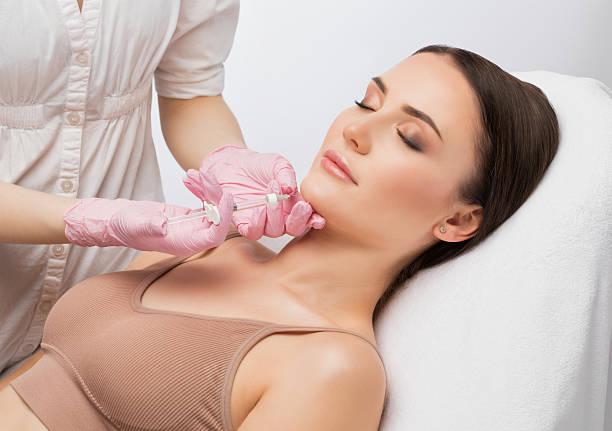
Chin liposuction is a cosmetic procedure designed to remove excess fat beneath the chin and improve the appearance of the jawline. Although the procedure can create a more defined facial profile, swelling and bruising are common parts of the healing process. Understanding how to manage these temporary effects can make recovery more comfortable and help patients feel confident throughout their healing journey. Proper aftercare, following post-procedure instructions, and allowing sufficient time for recovery are essential for achieving the desired results.
Double Chin Liposuction in Riyadh is an option for individuals who want to address stubborn fat beneath the chin and achieve a more sculpted appearance. However, patients should understand that recovery is just as important as the procedure itself. Similarly, facial liposuction in riyadh requires appropriate aftercare to support healing, reduce temporary discomfort, and help the treated area settle naturally.
Why Do Swelling and Bruising Occur After Chin Liposuction?
Swelling and bruising are normal responses of the body after a surgical procedure. During chin liposuction, a small cannula is used to remove unwanted fat through tiny incisions. This process can temporarily affect surrounding tissues and small blood vessels, resulting in inflammation and discoloration.
Swelling occurs when fluid accumulates around the treated area as part of the body's natural healing response. Bruising develops when small blood vessels release blood beneath the skin. The intensity of these effects varies depending on individual healing responses, skin characteristics, the extent of treatment, and post-operative care.
How to Manage Swelling After Chin Liposuction
Follow Your Compression Garment Instructions
A compression garment may be recommended after chin liposuction to support the treated area during recovery. It helps provide gentle, consistent pressure, which can limit fluid accumulation and support the healing tissues. Patients should wear their garment according to the clinic's instructions and avoid making it excessively tight.
Keep Your Head Elevated
Keeping your head elevated, particularly while sleeping, may help reduce fluid accumulation around the chin and lower face. Using additional pillows to maintain a comfortable elevated position can support recovery during the initial healing period. Avoid sleeping face-down or placing unnecessary pressure on the treated area.
Apply Cold Compresses Carefully
Cold compresses may help manage early swelling and discomfort when recommended by your healthcare provider. They should be applied gently and never placed directly against the skin. Avoid excessive pressure or prolonged application because the treated area may be sensitive following surgery.
Stay Hydrated and Maintain a Balanced Diet
Drinking sufficient water supports normal bodily functions and overall recovery. A balanced diet containing vegetables, fruits, lean proteins, and essential nutrients can also support tissue healing. Limiting excessive salt intake may help reduce additional fluid retention.
Effective Ways to Reduce Bruising
Allow Your Body Enough Time to Heal
Bruising generally improves gradually as the body reabsorbs the trapped blood beneath the skin. Patients should avoid expecting immediate results and allow their bodies sufficient time to recover. The appearance of bruises may change during healing before gradually fading.
Avoid Strenuous Physical Activities
Intense exercise and heavy physical activities can increase blood flow and potentially worsen swelling or bruising during early recovery. Gentle walking may be encouraged, but strenuous workouts should be postponed until the healthcare provider confirms that it is safe to resume them.
Avoid Smoking and Alcohol
Smoking can interfere with normal tissue healing by affecting circulation, while alcohol may contribute to swelling and dehydration. Avoiding both during the recovery period can support a healthier healing process. Patients should follow their provider's recommendations regarding when these substances can be resumed.
What Is the Normal Recovery Timeline?
Recovery after chin liposuction varies from person to person. Swelling and bruising are often more noticeable during the first few days. Over the following one to two weeks, these symptoms generally begin to improve, although some residual swelling may remain.
During the following weeks, the chin and jawline gradually become more defined as inflammation decreases. Final results may take several months to become fully visible because deeper tissues need time to settle and heal.
When Should You Contact Your Healthcare Provider?
Although mild swelling, tenderness, and bruising are expected after chin liposuction, certain symptoms require medical attention. Increasing pain, spreading redness, unusual warmth, fever, excessive bleeding, or rapidly worsening swelling should be evaluated promptly.
Difficulty breathing or swallowing, chest pain, or sudden severe symptoms require emergency medical attention. Patients should never ignore unusual changes during recovery and should contact their healthcare provider whenever they have concerns.
Frequently Asked Questions
1. How long does swelling last after chin liposuction?
Initial swelling generally improves over the first one to two weeks. However, some residual swelling can remain for several weeks or months, depending on individual healing and the extent of treatment.
2. Is bruising normal after chin liposuction?
Yes, bruising is a common temporary side effect. It occurs when small blood vessels are affected during the procedure and usually fades gradually as the body heals.
3. Can I massage my chin to reduce swelling?
Massage should only be performed if recommended by your healthcare provider. Applying pressure too early or using inappropriate massage techniques may irritate healing tissues.
4. When can I return to my normal activities?
Many patients can gradually resume light daily activities within a few days, depending on their recovery. Strenuous exercise and activities that place pressure on the treated area should be avoided until medically approved.
5. How can I achieve the best results after chin liposuction?
Following aftercare instructions, wearing the recommended compression garment, maintaining a balanced diet, staying hydrated, and attending follow-up appointments can support recovery and help achieve the desired outcome.
Book Your Consultation at Enfield Royal Clinic
Understanding the recovery process is an important step toward a comfortable treatment experience. At Enfield Royal Clinic, patients can receive professional guidance about chin liposuction, expected healing changes, and appropriate aftercare. Book a consultation to discuss your aesthetic goals and learn whether the procedure is suitable for your needs.

 English
 Arabic
 French
 Portuguese
 Deutsch
 Turkish
 Dutch
 Italiano
 Russian
 Romaian
 Portuguese (Brazil)
 Greek