
What Are the Common Side Effects of Lip Fillers?
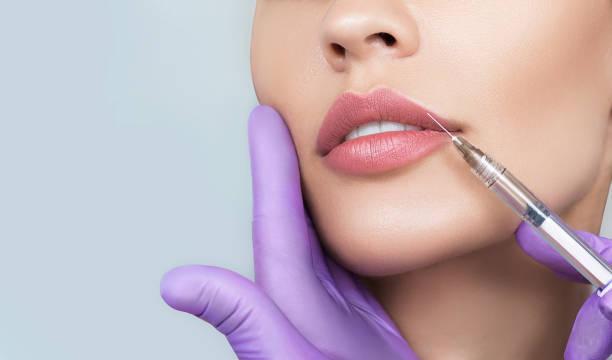
Lip fillers are a popular non-surgical cosmetic treatment used to enhance lip volume, improve definition, and create more balanced facial proportions. Although the procedure is generally well tolerated when performed by a qualified medical professional, it can cause temporary side effects during the healing process. Common reactions include swelling, bruising, redness, tenderness, and mild discomfort around the injection sites. Understanding these effects before treatment helps patients prepare for recovery. With appropriate assessment and careful administration, Lip Fillers Injections in Riyadh can be planned to achieve natural-looking enhancement while prioritising patient safety.
Most lip fillers contain hyaluronic acid, a substance naturally present in the body that helps retain moisture and support volume. After injection, the lips may temporarily react to the needle or cannula and the introduction of the filler material. The intensity and duration of side effects vary depending on individual sensitivity, the amount of filler used, injection technique, and aftercare. Patients considering Lip Fillers Injections in Riyadh should understand both the expected temporary reactions and the less common complications that may require medical attention.
What Are the Most Common Side Effects of Lip Fillers?
Most immediate side effects are mild and improve as the lips recover. However, the healing experience can differ from one person to another.
1. Swelling
Swelling is one of the most common reactions after lip filler injections. The lips may look fuller than expected during the first few days because the surrounding tissues respond to the treatment. Swelling often begins to improve gradually, although the exact recovery time varies.
2. Bruising
Small blood vessels may be affected during injections, leading to bruising around the lips. Bruises can appear as small red, purple, or blue marks and generally fade over time.
3. Redness
The injection sites may appear slightly red immediately after treatment. This is usually a temporary response to minor tissue irritation and often settles as the skin recovers.
4. Tenderness and Discomfort
Some patients experience mild soreness, sensitivity, or tenderness when touching or moving their lips. This can occur during the initial healing period and generally improves gradually.
5. Temporary Firmness or Small Lumps
The treated area may feel slightly firm or uneven while swelling settles. Some temporary irregularities can be related to inflammation, but persistent or painful lumps should be assessed by the treating practitioner.
6. Itching or Mild Irritation
A small number of patients may notice itching or irritation around the injection sites. Persistent itching, spreading redness, or other signs of an allergic reaction require medical assessment.
How Long Do Lip Filler Side Effects Last?
The duration of side effects depends on the person's healing response and the treatment performed. Swelling and tenderness are often most noticeable during the first 24 to 48 hours and usually begin to improve over the following days. Bruising may take longer to disappear.
Many patients find that the lips look more settled after approximately one to two weeks. However, recovery is not identical for everyone. If a side effect becomes worse instead of improving, or continues longer than expected, patients should contact their treating practitioner.
What Are the Less Common Side Effects of Lip Fillers?
Although less frequent, certain complications can occur and may require professional treatment.
Infection
Bacteria can enter the injection sites and cause an infection. Increasing redness, warmth, pain, swelling, pus, or fever may indicate infection and should be assessed by a healthcare professional.
Allergic Reactions
Some individuals may develop an allergic or hypersensitivity reaction to a filler product or another substance used during treatment. Symptoms can include unusual swelling, itching, or a rash. Breathing difficulty or swelling of the tongue or throat requires emergency medical care.
Persistent Lumps or Uneven Texture
Some patients may develop lumps or irregularities that remain after the initial swelling has settled. These may be related to filler placement, product characteristics, or tissue reactions and should be evaluated rather than treated through self-massage.
Cold Sore Reactivation
People with a history of cold sores may experience a flare-up after lip injections. Patients should inform their practitioner about previous outbreaks before treatment so that appropriate precautions can be discussed.
Delayed Inflammatory Reactions
In some cases, swelling, redness, or tenderness can develop days, weeks, or even longer after treatment. These delayed reactions require professional assessment to identify the cause and determine suitable management.
What Is Vascular Occlusion After Lip Fillers?
Vascular occlusion is a rare but serious complication that occurs when filler blocks or interferes with blood flow in a blood vessel. Reduced blood supply can damage the surrounding tissues if not treated promptly.
Warning signs may include:
-
Severe or increasing pain around the treated area.
-
Skin that becomes unusually pale, white, grey, blue, or mottled.
-
Blistering or skin breakdown.
-
Unusual changes in skin temperature or sensation.
-
Sudden visual disturbances, which may indicate a medical emergency.
These symptoms require immediate medical assessment. Vision changes or loss of vision after filler injections require emergency care without delay. Patients should not wait for symptoms to resolve on their own.
What Factors Can Increase the Risk of Lip Filler Side Effects?
Several factors can influence the likelihood and severity of side effects.
Injection Technique
The practitioner's training, experience, knowledge of facial anatomy, and injection technique are important for reducing avoidable risks.
Type and Amount of Filler
Different products have different characteristics. The selected filler and amount used should be appropriate for the patient's anatomy and treatment goals.
Individual Medical History
Allergies, previous filler treatments, cold sore history, active skin infections, and certain medical conditions may affect treatment suitability.
Treatment Environment
Appropriate hygiene, sterile equipment, and proper product handling are essential parts of safe injectable treatment.
How Can You Reduce Side Effects After Lip Filler Treatment?
Following professional aftercare instructions can help support recovery and reduce unnecessary irritation. General recommendations may include:
-
Use a cool compress: Apply a clean, cool compress gently if recommended by your practitioner. Avoid placing ice directly on the lips.
-
Avoid unnecessary pressure: Do not press, massage, or manipulate the treated area unless specifically instructed.
-
Limit strenuous activity: Follow advice about when to resume intense exercise.
-
Avoid excessive heat: Stay away from intense heat exposure during the initial recovery period as advised.
-
Maintain hydration: Drink enough water and follow your normal healthy routine.
-
Keep the area clean: Follow the recommended hygiene instructions and avoid irritating the injection sites.
-
Attend follow-up appointments: A professional review can help assess healing and identify concerns early.
Do not attempt to correct lumps or unevenness yourself. Contact the treating practitioner if you are concerned about the appearance or feel of your lips.
When Should You Contact a Medical Professional?
Mild swelling, bruising, and tenderness are generally expected after treatment. However, severe or increasing pain, unusual skin colour changes, blistering, signs of infection, or rapidly worsening swelling should be assessed urgently. Any visual disturbance requires emergency medical care.
Patients should also seek professional advice if lumps, discomfort, or unevenness persist after the initial recovery period. Early assessment can help identify complications and determine the appropriate next steps.
Are Lip Fillers Safe When Performed by a Qualified Practitioner?
Hyaluronic acid lip fillers have an established role in cosmetic treatment, but no injectable procedure is completely risk-free. A qualified medical professional should review the patient's medical history, explain possible side effects, select an appropriate product, and use a suitable technique.
Patients should ask about the practitioner's qualifications, the product being used, possible complications, and the clinic's plan for managing emergencies. A careful consultation and realistic treatment goals are important parts of responsible lip enhancement.
Book a Lip Filler Consultation at Royal Clinic Saudia
If you are considering lip enhancement, understanding possible side effects is an important first step. At Royal Clinic Saudia, a professional consultation can help assess your lip structure, discuss your aesthetic goals, and explain the expected recovery process and potential risks. A personalised treatment plan should always prioritise appropriate product selection, safe administration, and natural-looking results.
FAQs:
1. What is the most common side effect of lip fillers?
Swelling is one of the most common side effects. Patients may also experience bruising, redness, tenderness, and mild discomfort around the injection sites.
2. How long does bruising last after lip fillers?
Bruising often improves over several days, although it may take around one to two weeks to disappear completely in some individuals.
3. Can lip fillers cause permanent damage?
Most common side effects are temporary, but rare serious complications, such as vascular occlusion, can cause tissue damage. Prompt medical assessment is essential if warning signs develop.
4. How can I reduce the risk of lip filler complications?
Choose an appropriately qualified medical professional, disclose your medical history, ensure suitable products and sterile techniques are used, and follow all aftercare instructions.

 English
 Arabic
 French
 Spanish
 Portuguese
 Turkish
 Dutch
 Italiano
 Russian
 Romaian
 Portuguese (Brazil)
 Greek